
Dental Implants
Dental Implants
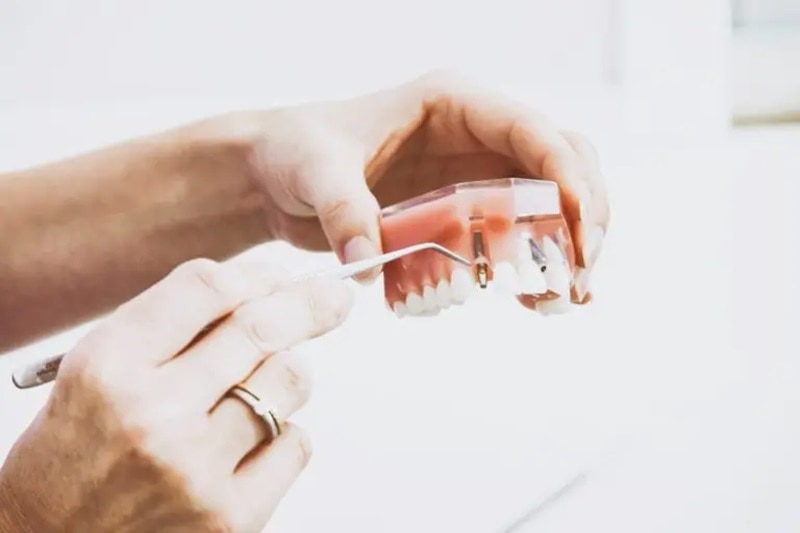
Dental implants are jawbone inserts that mimic tooth root and support a crown to replace a missing tooth.
What are dental implants used for?
These have significant advantages in replacing missing teeth compared to a bridge or dentures. They can be used to replace single or multiple missing teeth. Implants can be used to support fixed teeth or improve retention of dentures using specialized attachments.
What are the advantages of dental implants?
- They can withstand high pressures from chewing and are comparable to natural teeth in this regard
- They prevent bone loss and gum recession in the surrounding area. This can also reduce the chances of adjacent teeth becoming loose
- Hollowing or collapsing of cheeks and face is avoided as the bone support is maintained
- They feel more like natural teeth and also do not need special care when compared to a denture or bridge
How long does a dental implant last?
A dental implant is designed to last many years. Some of the factors that can affect its longevity are poor oral hygiene, health conditions such as diabetes, cancer, medications and grinding habits. Regular check-ups and hygiene appointments are essential to the long-term success of dental implants. Just like any other dental appliance dental implants and associated prosthesis are subject to wear and tear and may need repairs.
Can I have Dental Implants?
The are a lot of factors that affect your eligibility to have dental implant surgery
- Age – Children under 17 still have growing bones while some seniors maybe be too fragile for implant surgery
- Inadequate Bone – In some cases it may not be possible to use bone replacement techniques to build enough bone for implants
- Smoking – it affects healing after any surgery and continued smoking can even cause failure of a fully healed implant
- Medical Conditions – Some diseases like uncontrolled Diabetes can affect healing or cause infections after surgery. Medications that interfere with healing may also exclude some people from having implant surgery.
What tests are required to have Dental Implants?
We will require the following tests prior to confirming your suitability for implants
- Full examination including x-rays
- Dental impressions or scans
- CT Scan
- Certain medical conditions may require additional tests
These tests also help in planning for the type and number of implants required in each situation
Benefits of Dental Implants
- Natural Aesthetics: Implants seamlessly blend with your natural teeth, providing a lifelike appearance.
- Enhanced Functionality: Experience improved chewing and speaking capabilities, restoring your ability to enjoy your favorite foods and speak with confidence.
- Preservation of Jawbone: Unlike traditional bridges or dentures, implants stimulate the jawbone, preventing bone loss and maintaining facial structure.
- Longevity: With proper care, dental implants can last a lifetime, making them a durable and cost-effective solution.
Post-Implant Care
Do
- Oral Hygiene: Maintain regular oral hygiene practices, including brushing, flossing, and professional cleanings, to ensure the longevity of your implants.
- Follow-Up Appointments: Schedule periodic follow-up appointments to monitor the health of your implants and address any concerns.
Do Not
- Don’t skip prescribed aftercare medications or oral washes
- Rinse or rinse too frequently in the first 24 hours
- Consume alcohol for 3 days
- Disturb the wound by brushing or eating in the area
- Smoke for 2 weeks
At Yarrawonga Dental Studio, we’re committed to helping you reclaim the joy of a complete and beautiful smile. If you’re ready to explore the possibilities of dental implants, schedule a consultation with our experienced team. Let us guide you on the path to renewed confidence and oral well-being. Your journey to a radiant smile starts here!